The Ultimate Guide To Companion Planting Herbs
Introduction
Companion planting is a gardening technique that involves planting certain plants together to benefit each other. This can be done in order to improve the growth, flavor, or pest resistance of the plants. Herbs are a great group of plants to use for companion planting, as they can be beneficial to a wide variety of other plants.
In this blog post, we will discuss the benefits of companion planting herbs, as well as some specific pairings that work well together. We will also provide some tips for companion planting herbs in your own garden.
Benefits of Companion Planting Herbs
There are many benefits to companion planting herbs. Some of the most common benefits include:
- Improved growth: Some herbs can help to improve the growth of other plants by attracting beneficial insects, providing shade, or suppressing weeds. For example, basil can help to improve the growth of tomatoes by attracting pollinators.
- Enhanced flavor: The flavor of some herbs can be enhanced by planting them near other plants. For example, planting mint near carrots can make the carrots taste sweeter.
- Pest resistance: Some herbs can help to repel pests from other plants. For example, planting chives near roses can help to deter aphids.
- Disease resistance: Some herbs can help to protect other plants from diseases. For example, planting oregano near tomatoes can help to prevent tomato blight.
Specific Herb Pairings
There are many different herb pairings that can work well together. Here are a few of the most common pairings:
- Basil and tomatoes: Basil is a classic companion plant for tomatoes. It attracts pollinators, which helps to improve the pollination of tomatoes. Basil can also help to deter aphids and other pests from tomatoes.
- Chives and roses: Chives help to repel aphids, Japanese beetles, and other pests from roses. They can also help to improve the flavor of roses.
- Dill and carrots: Dill helps to attract beneficial insects, such as ladybugs and hoverflies, which help to control pests that can damage carrots. Dill can also help to improve the flavor of carrots.
- Lavender and beans: Lavender helps to deter aphids, bean beetles, and other pests from beans. It can also help to improve the flavor of beans.
- Oregano and peppers: Oregano helps to repel aphids, whiteflies, and other pests from peppers. It can also help to improve the flavor of peppers.
Tips for Companion Planting Herbs
When companion planting herbs, there are a few things to keep in mind:
- Consider the needs of the plants: When choosing herbs to plant together, it is important to consider the needs of the plants. For example, some herbs prefer full sun, while others prefer partial shade.
- Plant herbs with similar growth habits: It is also a good idea to plant herbs with similar growth habits together. For example, you would not want to plant a tall herb, such as dill, next to a short herb, such as parsley.
- Experiment: There is no right or wrong way to companion plant herbs. The best way to find out what works best for you is to experiment. Try different pairings and see what works best in your garden.
Conclusion
Companion planting herbs is a great way to improve the growth, flavor, and pest resistance of your plants. There are many different herb pairings that can work well together, so experiment and find what works best for you.
Do you love fresh herbs, but don't have a lot of space? You can still enjoy the flavors of fresh herbs by planting them together in containers. There are a few things to keep in mind when choosing herbs to grow together, such as their water needs, sun requirements, and growth habits. But with a little planning, you can create a beautiful and productive herb garden in no time.
Here are a few ideas for herbs that grow well together:
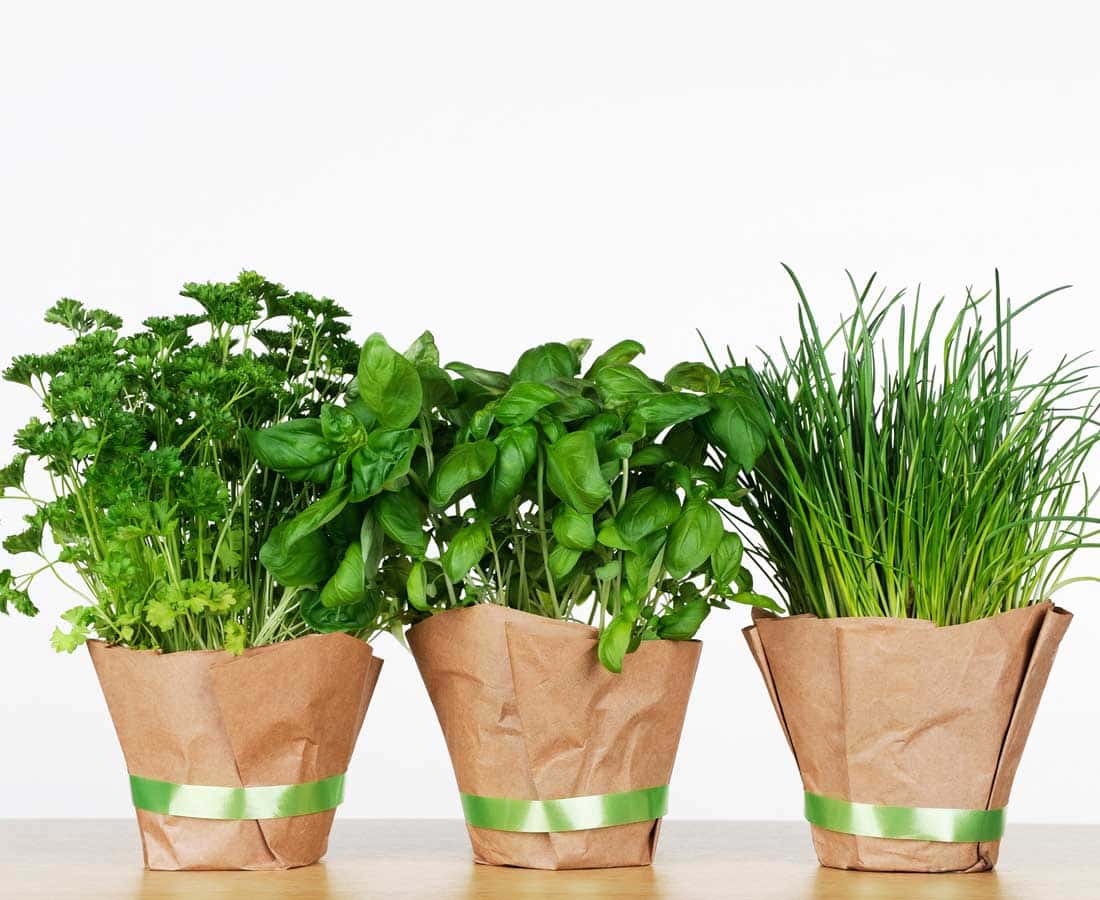
- Basil and parsley: These two herbs love the sun and need regular watering. They also have similar growth habits, so they won't compete for space.
- Mint and chives: Mint is a fast-growing herb, so it's best to plant it in its own container. Chives are more slow-growing, so they're a good companion for mint.
- Sage and oregano: These two herbs are both drought-tolerant and can handle full sun. They also have a lovely fragrance that will fill your garden.

- Lavender, rosemary, and thyme: These Mediterranean herbs all love the sun and dry soil. They're also very attractive, so they'll make your herb garden look beautiful.

For more information about herbs that grow well together, visit Gardenia Inspiration. This website has a comprehensive list of herbs, as well as tips on how to plant and care for them.
FAQ of herbs you can grow together
Q1. What are some herbs that can be grown together?
A: There are many herbs that can be grown together, but some of the most popular combinations include:
- Basil and tomatoes: Basil helps to deter tomato hornworms, and tomatoes provide support for basil plants.
- Chives and roses: Chives repel aphids, which can be a problem for roses.

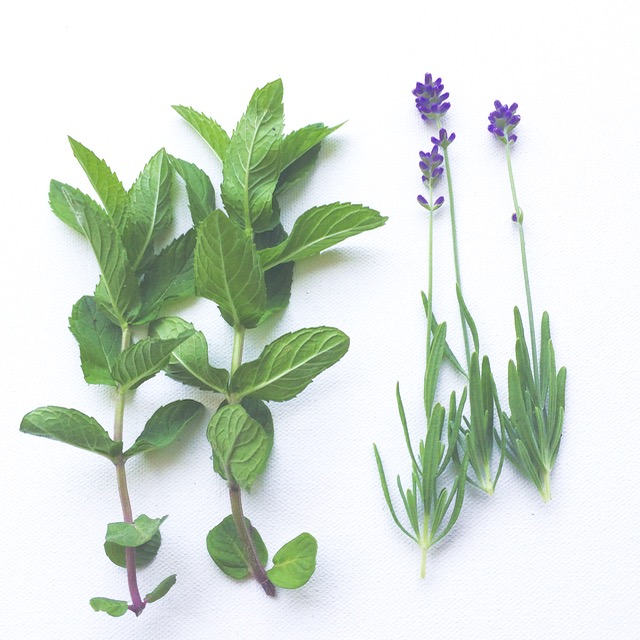
- Lavender and mint: Lavender helps to deter mosquitoes, and mint attracts pollinators.
- Lemon balm and parsley: Lemon balm and parsley have similar growing requirements, and they can also help to repel pests.

- Oregano and thyme: Oregano and thyme have similar flavor profiles, and they can also help to deter pests.

Q2. How do I choose herbs that will grow well together?
A: When choosing herbs to grow together, there are a few factors to consider:
- Planting requirements: Make sure that the herbs you choose have similar watering, sunlight, and soil requirements.
- Growth habits: Some herbs, such as mint, can be invasive, so it's important to choose herbs that will complement each other's growth habits.
- Pests and diseases: Some herbs can help to deter pests and diseases, so it's helpful to choose herbs that will benefit each other.
Q3. What are some tips for growing herbs together?
A: Here are a few tips for growing herbs together:
- Plant herbs in a sunny location with well-drained soil.
- Space herbs appropriately, so that they have enough room to grow.
- Water herbs regularly, especially during hot weather.
- Fertilize herbs once a month during the growing season.
- Harvest herbs regularly, to encourage new growth.
Q4. What are some common problems that can occur when growing herbs together?
A: Some common problems that can occur when growing herbs together include:
- Pests and diseases: Some herbs can be susceptible to the same pests and diseases, so it's important to monitor your plants closely.
- Competition for resources: If herbs are not spaced appropriately, they may compete for water, sunlight, and nutrients.
- Herbicide damage: If you use herbicides in your garden, be sure to avoid herbicides that are harmful to herbs.
Q5. How can I prevent problems when growing herbs together?
A: To prevent problems when growing herbs together, you can:
- Choose herbs that have similar growing requirements.
- Space herbs appropriately.
- Monitor your plants for pests and diseases.
- Use herbicides carefully.
- Harvest herbs regularly.
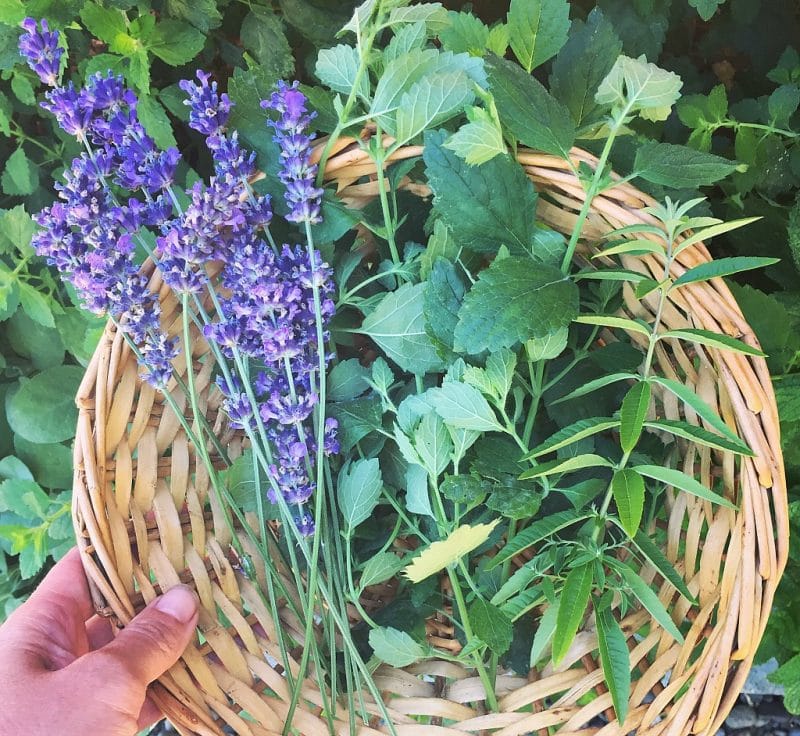
Image of herbs you can grow together
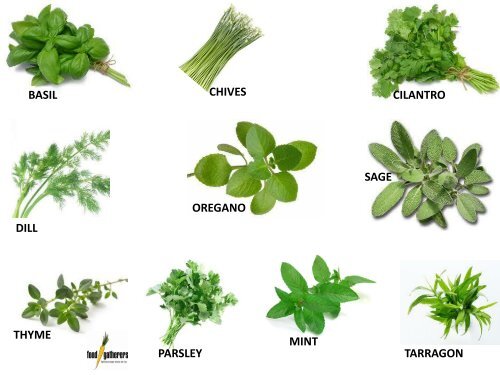
- Basil, parsley, cilantro, and tarragon: These herbs all have similar growing conditions and can be planted together in a single pot or garden bed. They also complement each other's flavors, making them a great choice for cooking.

- Rosemary, oregano, sage, thyme, lavender, and marjoram: These herbs are all members of the mint family and can be planted together in a sunny spot. They have different flavors and aromas, so you can mix and match them to create your own unique blends.

- Chives, mint, and dill: These herbs are all relatively low-maintenance and can be planted together in a shady spot. They have different flavors and textures, so they can be used in a variety of dishes.
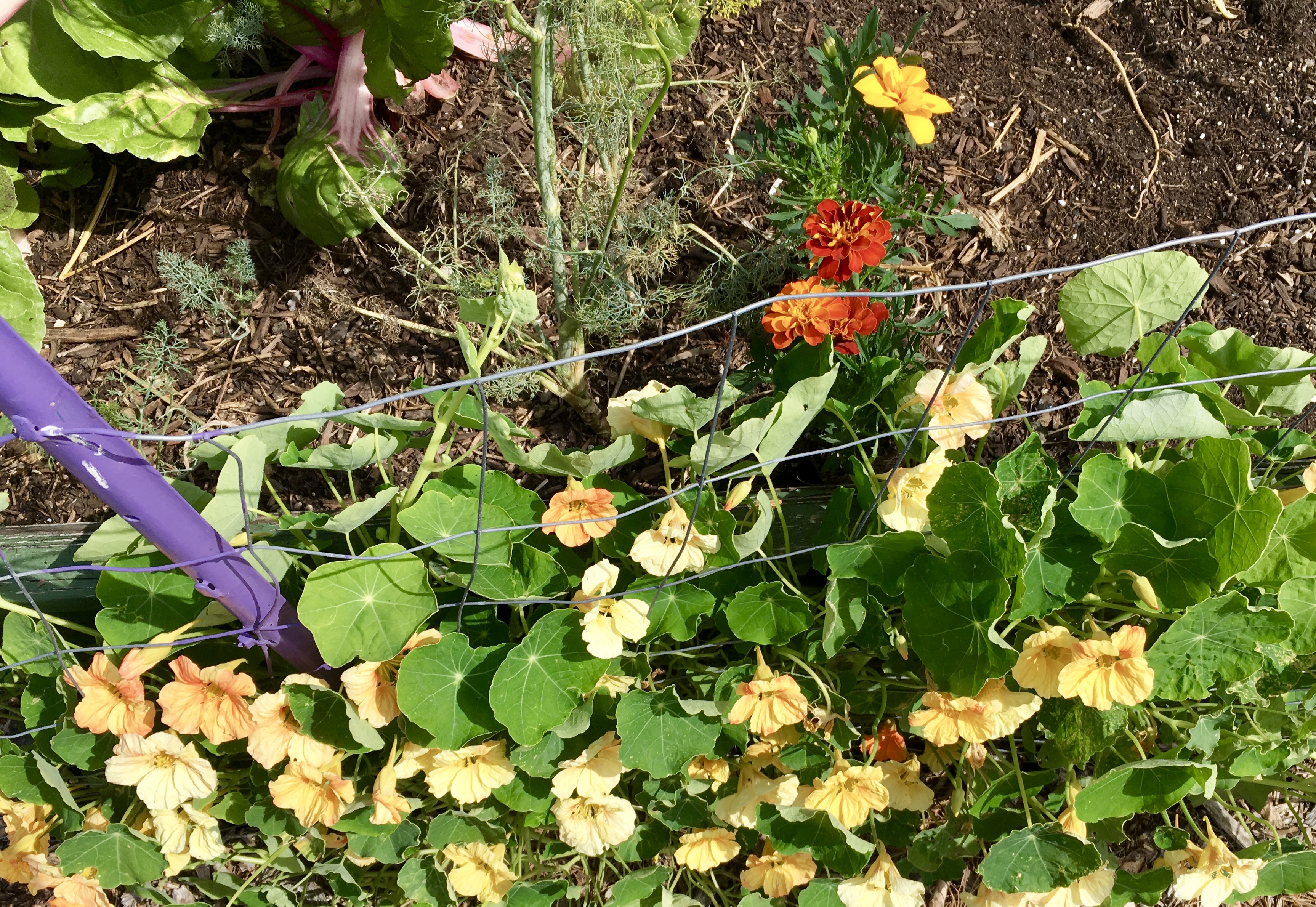
- Marigolds and nasturtiums: These flowers are not technically herbs, but they can be planted alongside herbs to deter pests. Marigolds have a strong scent that repels mosquitoes, while nasturtiums attract aphids, which are then eaten by ladybugs.
- Lemon balm and lavender: These herbs have calming properties and can be planted together to create a relaxing atmosphere in your garden. Lemon balm has a citrusy scent, while lavender has a floral scent.
Post a Comment for "The Ultimate Guide To Companion Planting Herbs"